Mortar worn back from the brick. If a coin fits in the gap, it’s time.
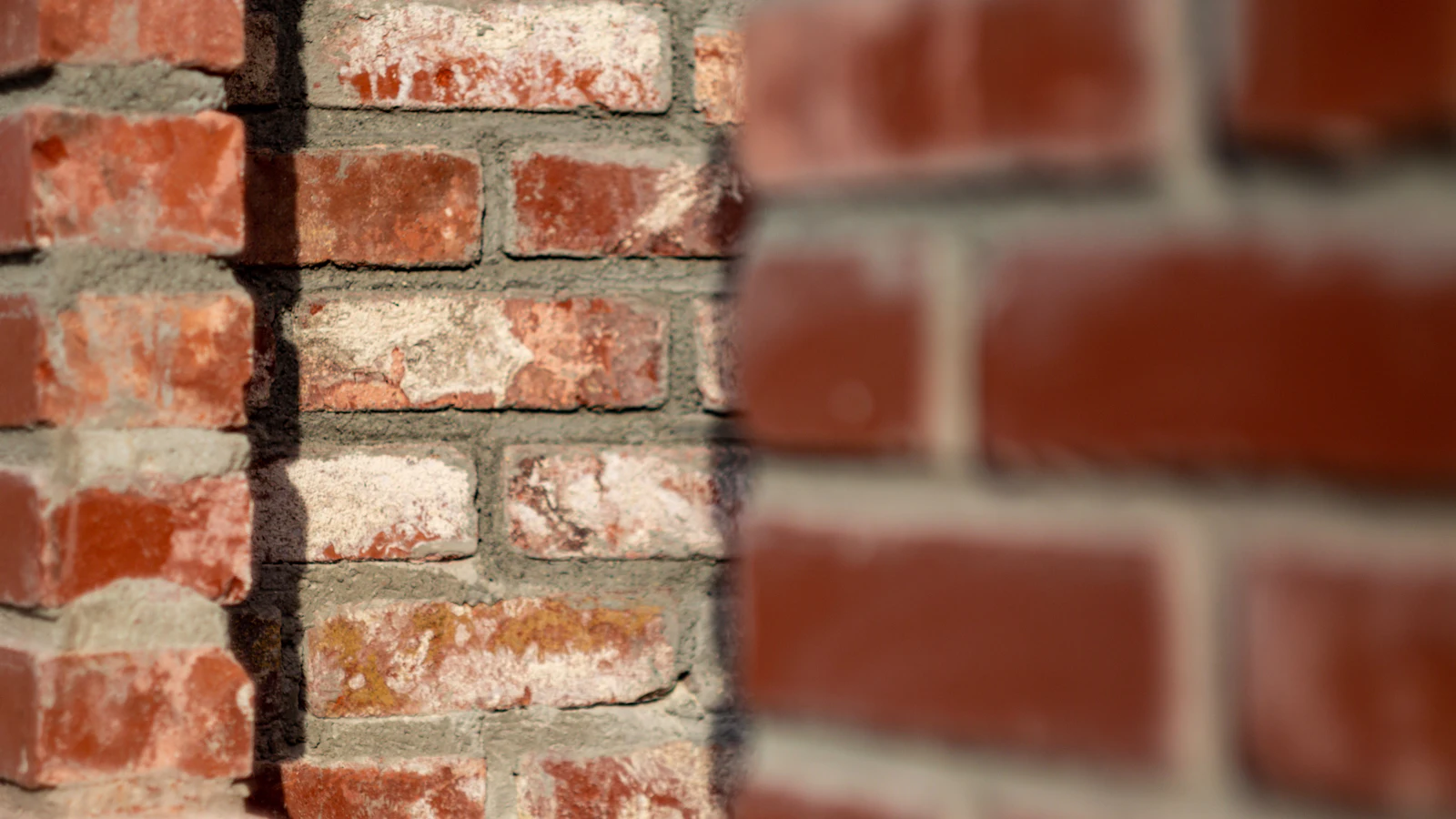
Brick pointing in New York City
Worn mortar raked out and repointed tight, so rain and frost stay out.
- Licensed & insured
- Free estimates
- Best time: Spring to late fall
Mortar joints are meant to wear out before the brick does. After years of rain, freeze–thaw winters and road salt, joints crack, crumble and sink back from the face. Water gets in, freezes and pushes the damage further each season.
Pointing fixes this. We rake out the old mortar to a consistent depth, clean the joints and pack in new mortar, then tool it to match. Older, softer brick gets a softer mortar, because mortar harder than the brick can damage the brick over time.
Signs it’s time
- Crumbling mortar joints
- Gaps a coin fits into
- Mortar sunk behind brick
- Damp spots on walls
Repoint the diamond.
Drag across the wall to rake out the worn joints and pack in fresh mortar. It’s the same idea we use on your brick, joint by joint.
Watch the fix.
How a brick pointing job goes, from first stroke to finished. Drag across the picture to scrub through it.
Get a free estimateBefore
Done right, start to finish.
Raking out joints
Old, loose mortar removed to a consistent depth without damaging the brick edges.
Cleaning the joints
Dust and debris cleared out so new mortar bonds to sound material.
Compatible mortar
A mix suited to your brick, with softer mortar for older, softer brick.
Color matching
Mortar mixed to come as close as we can to your existing joints.
Tooled joints
Joints finished to a clean, consistent profile that sheds water.
Full cleanup
Mortar smears brushed off the brick and the area left clean.
Six signs worth a call.
Tap a card to see what it means.
Salts left by water moving through the brick. Moisture is getting in.
Water froze inside the brick and popped its face off.
A crack stepping along the joints. Often movement, so get it looked at.
Moss and algae hold water against the wall and make steps slippery.
Water stuck behind paint or stucco pushes it off the wall.
How the job goes.
- 01
Inspect the wall
We check joints, brick and flashing, and mark which areas need pointing.
- 02
Rake out
Old mortar is raked out to sound material, then the joints are cleaned.
- 03
Repoint the joints
New mortar is packed in firmly, in layers where joints are deep.
- 04
Tool and clean
Joints are tooled to match, excess mortar is brushed off, and we clean up.
What customers say.
The mortar on our front wall was crumbling and we had damp spots inside. They raked it all out, repointed the whole front and matched the color to the old brick. You honestly can't tell where they started.
They told us straight what needed doing now and what could wait, which I really appreciated. The repointing looks sharp and the price was what they quoted.
We had a leak over the top-floor bedroom that two other people couldn't find. They went up, traced it back to the flashing around the chimney and fixed it properly. Dry through every storm since.
Good to know.
More answers on the FAQ page, or just call.
What is the difference between pointing and tuckpointing?
In New York, people often use both words for the same job: removing worn mortar and replacing it. Strictly, tuckpointing adds a thin contrasting line to make joints look crisp. Most homes need standard pointing.
Why not use the strongest mortar?
Old brick is often softer than modern mortar. If the mortar is harder than the brick, the brick takes the stress and can crack or flake. Mortar should be the part that wears, because it is easier to replace.
Can you point just part of the wall?
Yes. If only some areas are worn, like a parapet or the joints under a window, we can repoint those. We'll tell you if the rest of the wall is close behind.
Will the new mortar match the old?
We mix it to get as close as we can to your existing color. New mortar often looks a little brighter at first and tones down as it weathers.
Does pointing stop water from getting in?
It closes the most common path: cracked and open joints. Water can also come from the roof, flashing, gutters or cracked brick, so we check those too and tell you what we find.
Often done together.
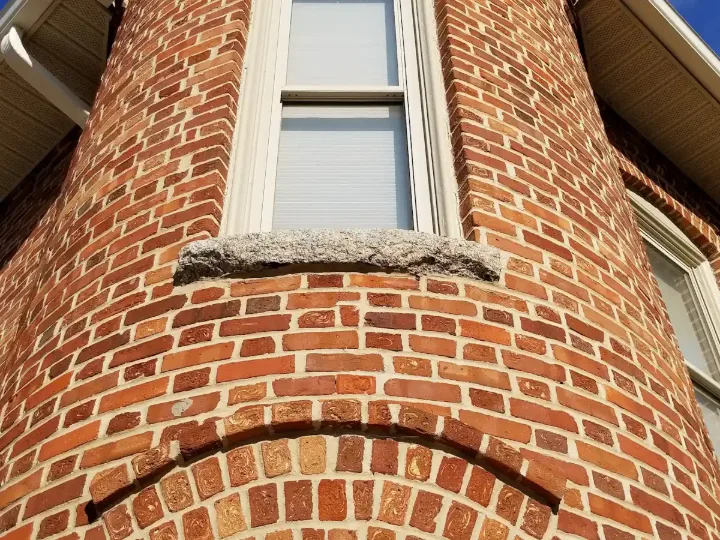
Brick & Masonry Work
Loose, cracked or flaking brick repaired, and new walls built solid.
Learn more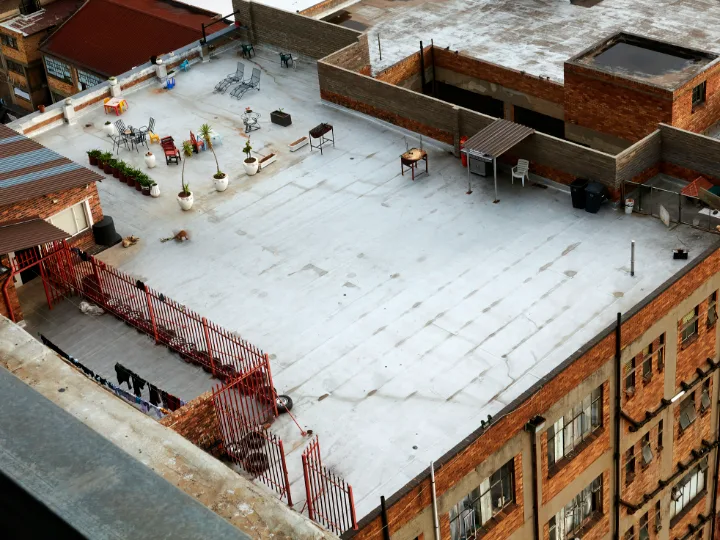
Roofing & Waterproofing
Flat and shingle roofs, leak repairs and waterproof coatings that keep water out.
Learn more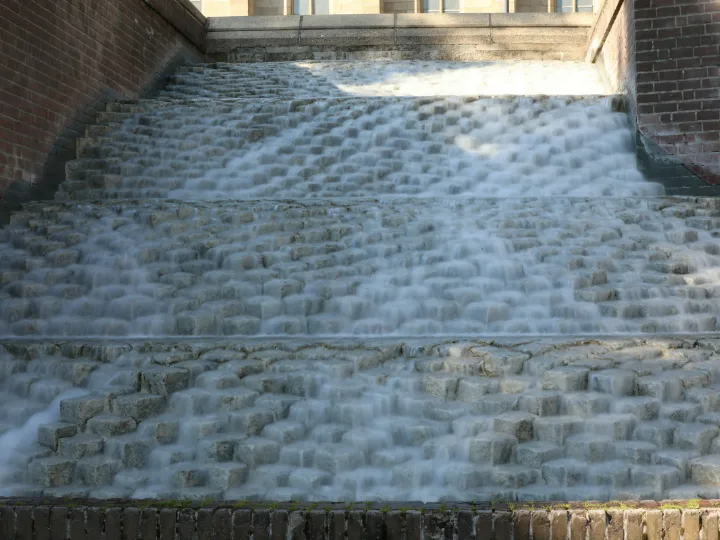
Power Washing
Brick, concrete, pavers and decks washed clean with the right pressure.
Learn moreLet’s look at your home.
Call or text us directly, 7 days a week, 8am to 8pm. Photos help us give you a rough idea before we visit.
929-289-7262